



Material Handling Batteries Explained: Forklift, Pallet Truck & Warehouse Equipment Guide (2026)
1. What Is a Material Handling Battery?
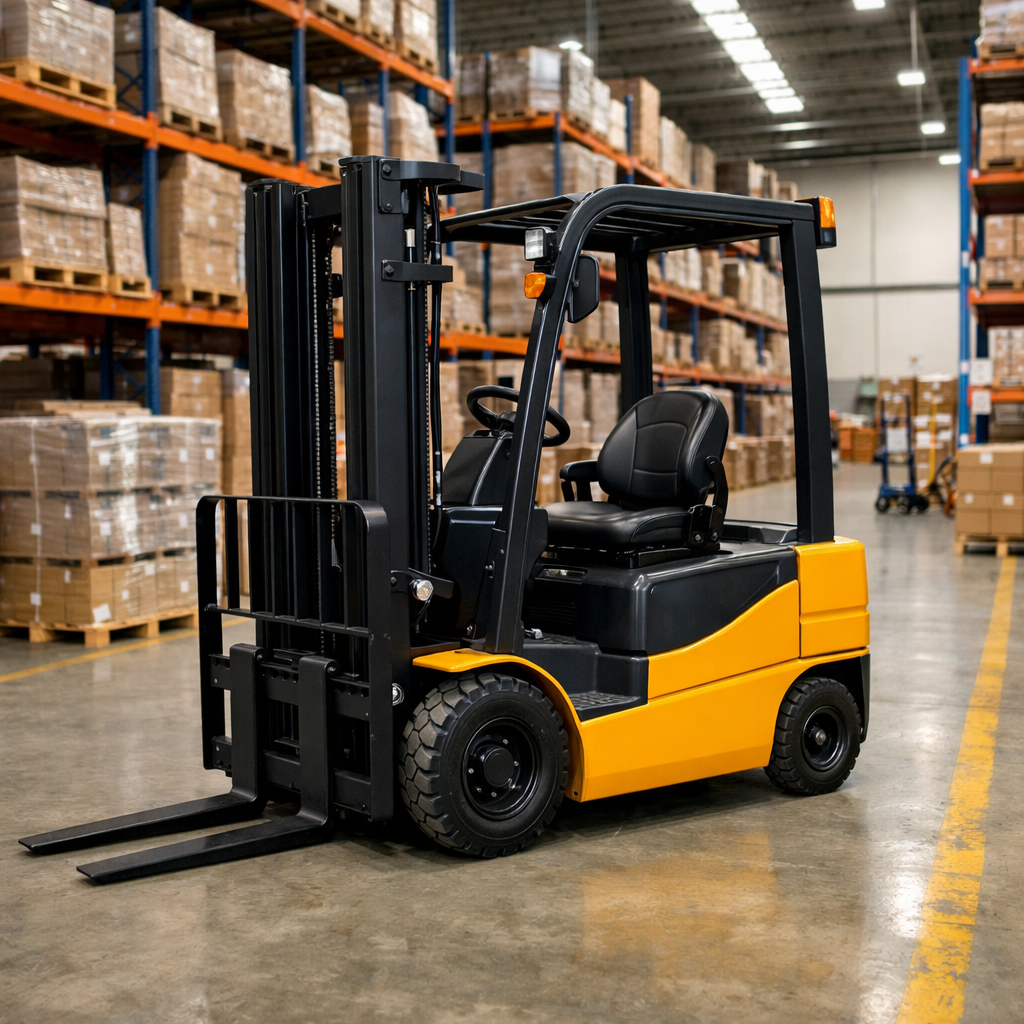
A material handling battery is a category of industrial battery systems used to power equipment such as:
Forklifts
Pallet trucks
Stackers
AGV / AMR autonomous mobile robots
Warehouse handling equipment and industrial tow tractors
Its primary function is to provide stable, repeatable power output for frequent start-stop operation, heavy-load handling, and extended working schedules.
2. Two Common Battery Technologies
Lead-Acid Batteries
Lead-acid batteries have been used in material handling applications for many years. Common characteristics include:
Mature technology
Lower initial purchase cost
Regular maintenance requirements
Lower energy density
Longer charging times
Lithium Batteries (LiFePO4)
Lithium iron phosphate (LiFePO4) batteries are widely used in modern material handling equipment. Common characteristics include:
Opportunity charging capability
Compact battery size
Extended cycle life
Integrated Battery Management System (BMS)
Operation in low-temperature and high-load environments
Maintenance-free operation
3. Why Lithium Batteries Are Being Adopted in Material Handling
1. Changing Warehouse Operations
E-commerce, cold chain logistics, and manufacturing facilities often require equipment that can:
Charge during short breaks
Operate across multiple shifts
Reduce battery change frequency
2. Maintenance Considerations
Lead-acid batteries typically require watering, cleaning, and periodic maintenance. Lithium battery systems generally operate without these routine maintenance procedures.
3. Space Utilization
Lithium batteries can provide required capacity within a relatively compact battery footprint.
4. Safety and Monitoring
Modern lithium battery systems can include real-time monitoring of:
Temperature
Voltage
Current
Charge and discharge status
4. Core Components of a Material Handling Battery System
1. Battery Cells
Battery cells determine the basic energy storage capability of the system.
Common chemistries:
LiFePO4 (Lithium Iron Phosphate)
NMC (Nickel Manganese Cobalt)
2. Battery Management System (BMS)
The BMS is responsible for:
Overcharge protection
Over-discharge protection
Cell balancing
Temperature monitoring
Communication functions (CAN / RS485 / UART)
Fault detection
3. Structural Design
Industrial battery packs may include:
Shock and vibration resistance
IP-rated protection
Modular service design
Metal enclosures
5. Typical Applications
Forklifts
Common operating characteristics:
High power demand
Heavy-load operation
Frequent acceleration and braking
Pallet Trucks
Common operating characteristics:
Light-to-medium loads
High daily usage frequency
Multi-shift operation
AGV / AMR Systems
Common operating characteristics:
Automated operation
Energy management integration
Communication with fleet systems
6. Battery Selection Guide
1. Voltage
Typical system voltages include:
24V for light-duty handling equipment
48V for many forklifts
80V for heavy-duty forklifts
2. Shift Pattern
Single shift
Double shift
Triple shift
3. Operating Environment
Cold storage
Outdoor use
Dusty environments
4. Total Cost of Ownership
Evaluation may include:
Battery purchase cost
Maintenance cost
Downtime cost
Replacement interval
Charging infrastructure
7. Industry Trends
Current material handling battery trends include:
IoT connectivity
Modular battery systems
Platform-based battery designs
Energy management systems (EMS)
8. One-Stop Battery Customization Services
Many industrial projects require:
Customized voltage and capacity
Custom communication protocols
Tailored battery dimensions
Application-specific BMS settings
Companies such as Shenzhen First Power Energy Co., Ltd. provide services covering:
Requirement analysis
Structural design
BMS development
Prototyping
Testing
Mass production delivery
Professional Selection & Customization Support
If you are evaluating battery solutions for forklifts, pallet trucks, AGVs, or other material handling equipment, it is helpful to provide:
Equipment list
Shift schedule
Charger installation locations
Charging area layout
Based on this information, a battery supplier can recommend a lithium battery configuration, charging strategy, and system integration approach that matches your operating conditions and provide a customized technical proposal and quotation for evaluation.
Conclusion
Material handling batteries are an important part of forklifts, pallet trucks, AGVs, and warehouse equipment. Selecting the appropriate battery chemistry, BMS, charging method, and battery configuration can support stable operation across different industrial applications.
Battery systems have become an important component of modern material handling operations.

 E-mail


 +86 13510702894