



2026 Guide to Selecting Premium Battery Manufacturers in China
Driven by the expanding global market for electric two-wheelers, industrial robots, AGVs and energy storage devices, demand for high-quality lithium batteries has surged. As a core component, lithium batteries directly determine the safety, operational stability and overall performance of end products. Therefore, partnering with a reliable long-term battery manufacturer is crucial for enterprises to achieve steady operation and enhance market competitiveness.
There are numerous lithium battery manufacturers across China. How to pick a qualified supplier that matches your business needs? Combining current industry trends and practical experience, this guide summarizes core evaluation criteria for selecting lithium battery manufacturers in 2026, serving as a practical reference for purchasers and enterprises.
Part 1 Evaluate Industry Experience & Manufacturing Expertise
Mature large-scale production capacity and sound market reputation
Capability to develop customized battery solutions tailored to client demands
Professional engineering and R&D teams with profound technical reserves
In-depth knowledge of global battery safety standards and certification systems
Extensive practical experience serving diverse industries
Whether for electric two-wheelers, AGVs, industrial robots, energy storage systems or large industrial equipment, experienced manufacturers can deliver better-adapted and more stable customized products. Years of production practice also enable them to effectively tackle challenges in cell selection, assembly processes, full-process quality control and long-term product durability.
In-depth Assessment of R&D Capabilities
R&D strength is the core competitiveness of lithium battery enterprises. A lithium battery pack consists of cells, Battery Management System (BMS), heat dissipation structures, control software and enclosures. Its sophisticated structure and high technical complexity require manufacturers to employ professional teams committed to developing safe and innovative battery products.
(1) Professional Technical Team
Check whether the team covers key technical fields: electrochemistry, electronic engineering, thermal management design, mechanical structure design and BMS development. Professional technicians can efficiently resolve technical difficulties such as cell balancing, heat dissipation optimization, power scheduling and overall system integration.
(2) Innovation Capacity & Intellectual Property Rights
Leading R&D teams keep driving technological innovation, which is reflected in technical patents, self-developed core battery technologies, differentiated structural designs, optimized BMS algorithms and scenario-based customized solutions, forming solid technical barriers for the enterprise
(3) R&D & Testing Facilities
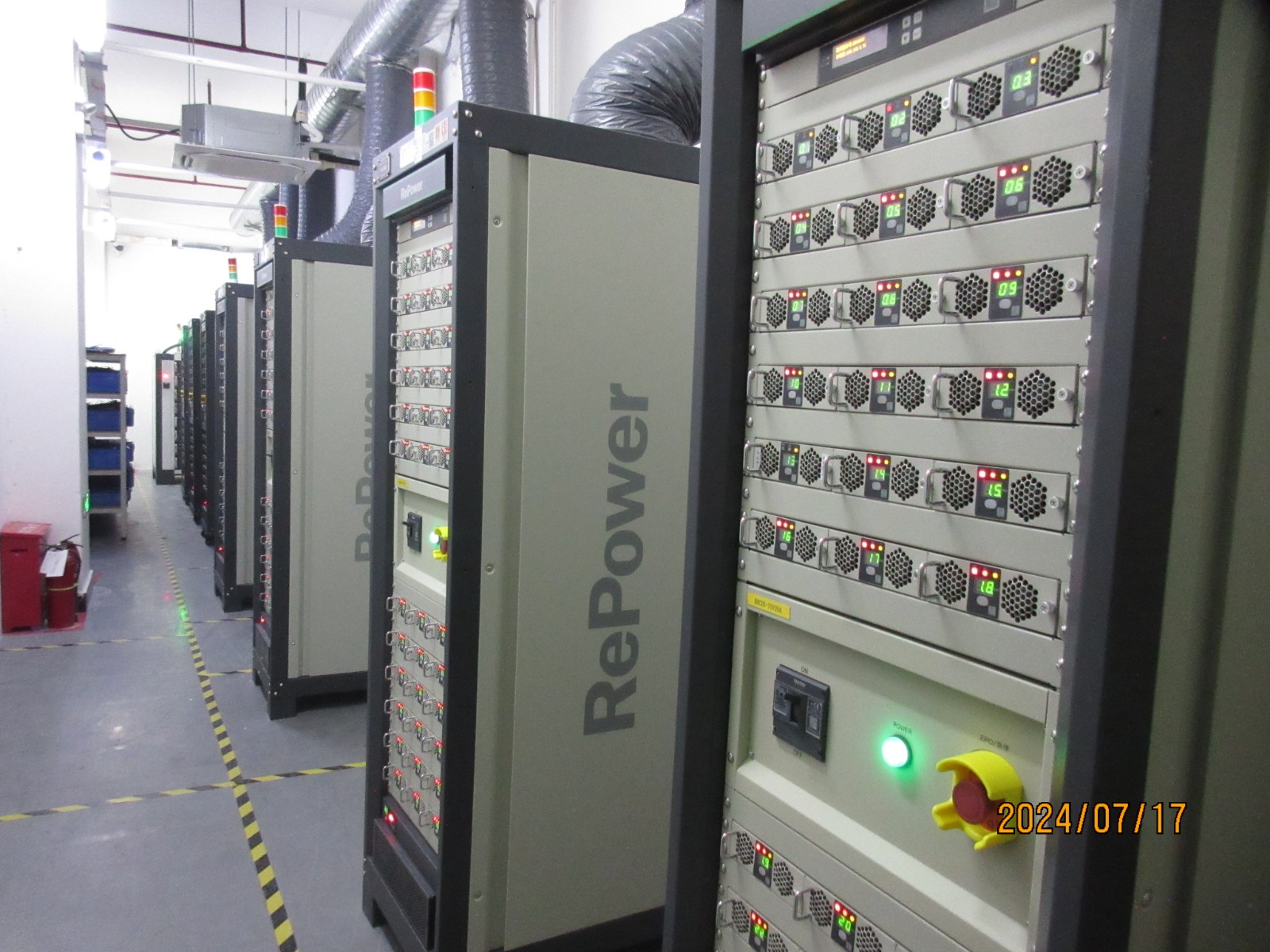
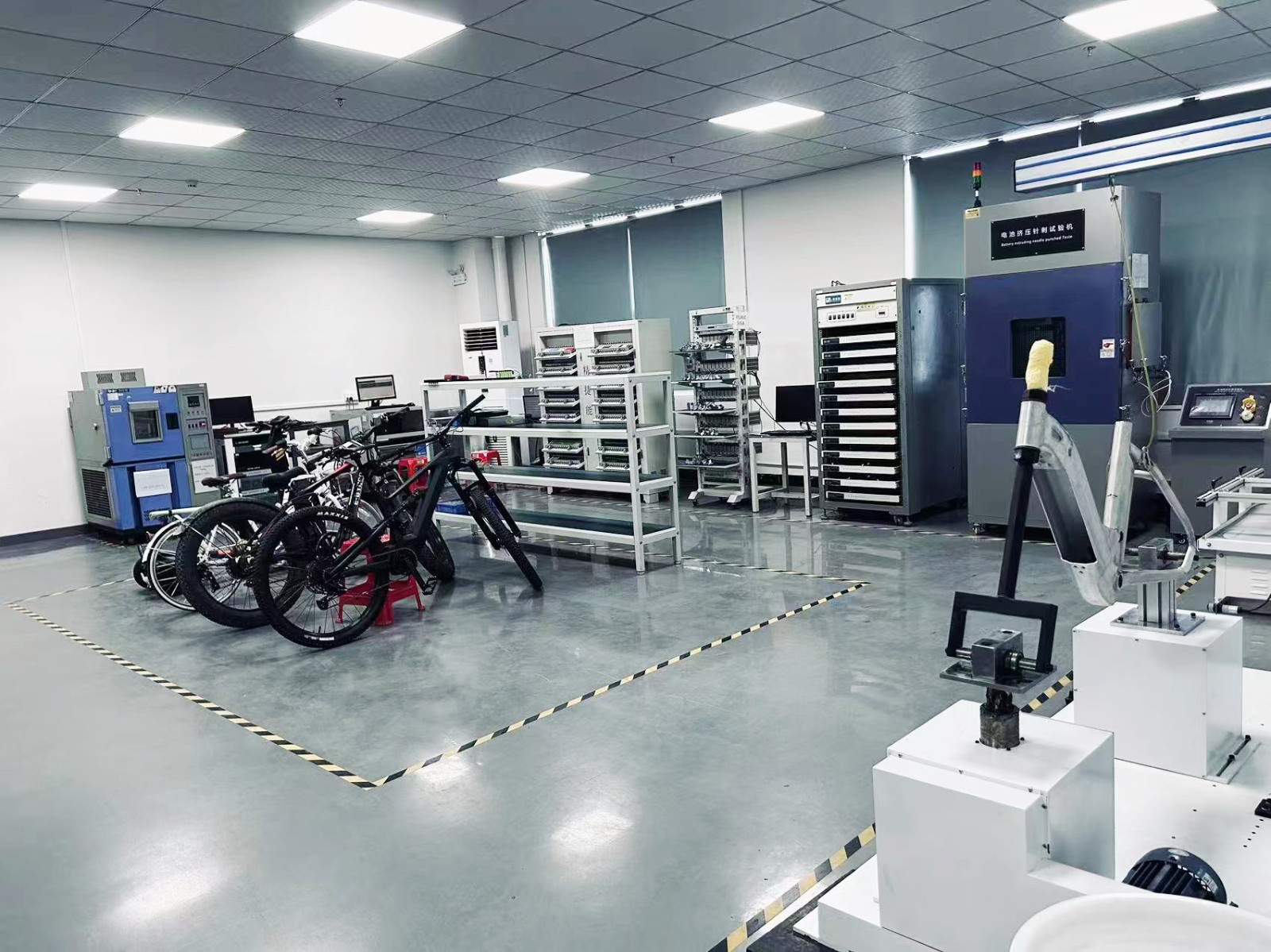
A well-equipped R&D center shall be furnished with professional testing equipment, including battery simulation systems, cycle life testers, thermal analysis devices, high-low temperature environmental chambers and electrical safety testing instruments. Comprehensive testing equipment verifies product performance to meet international general standards.
(4) Cross-industry Project Experience
Prioritize manufacturers with extensive experience across multiple sectors. Focus on their successful cases in electric two-wheelers, AGVs, robots, energy storage devices, medical equipment and industrial machinery. Strong R&D capabilities continuously improve battery performance, reinforce safety protection and extend cycle life, supporting customized products for clients from various industries.
Part 2 On-site Evaluation of Production Scale & Manufacturing Strength
Production capacity determines whether a manufacturer can steadily fulfill existing orders and support clients’ future business expansion, making it a vital factor for supplier selection.
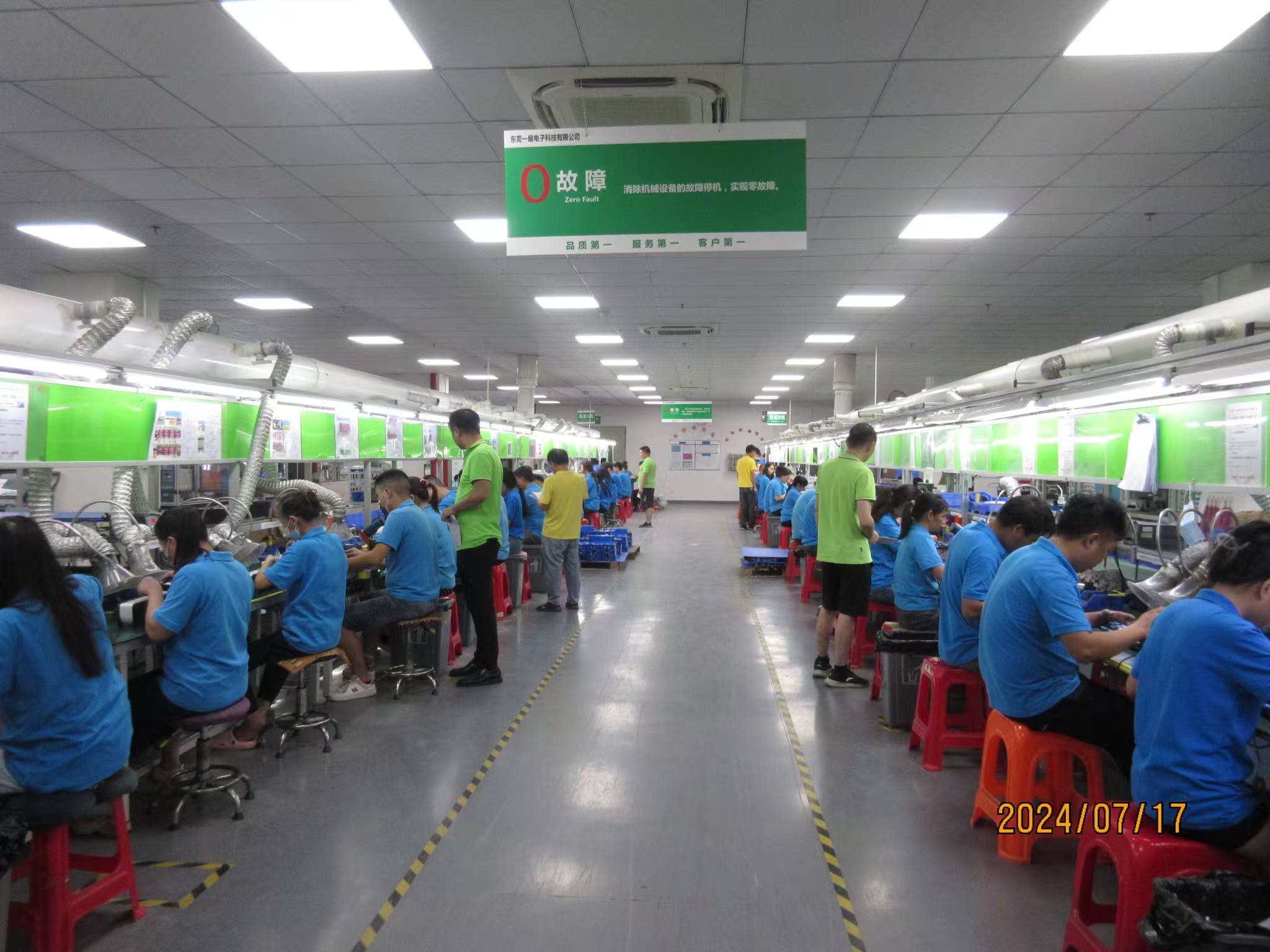
1. Overall Production Capacity
2. Automated Production Equipment
Core Production Equipment
First Power Fully Automatic Battery Pack Assembly Line
First Power High-precision Laser Welding Equipment
First Power Self-developed Intelligent Quality Inspection System
3. Independent Supporting Capacity for the Entire Industrial Chain
Supported by fully automatic production lines and stringent quality management systems, our company can efficiently deliver products ranging from trial samples to bulk orders of tens of thousands of units.
Part 3 Strict Verification of Product Qualifications & Compliance Certifications
Part 4 Full-process Quality Control & Product Testing System
Incoming Material Inspection: Full inspection of cells, electronic components and all raw materials before warehousing.
In-process Control: Cell sorting and matching, inspection of laser welding/resistance welding processes and verification of assembly procedures.
Functional Testing: BMS performance test, as well as tests on voltage, capacity and charge-discharge performance.
Reliability Testing: Aging test, cycle life test, vibration test, high-low temperature test and safety performance test.
Part 5 One-stop Full-lifecycle After-sales Service
Quality cooperation extends far beyond product delivery. Comprehensive full-lifecycle service is equally important. We provide clients with one-stop after-sales support, including technical consultation, installation guidance, complete product documentation, troubleshooting, original manufacturer warranty and repair & replacement services. Timely and efficient services maximize product value and minimize losses caused by equipment downtime.
Part 6 Top 10 Questions to Ask During Business Negotiations
- Before contacting battery suppliers, use the following questions to fully assess their overall strength:
- These questions enable you to conduct a comprehensive evaluation of a supplier’s production capacity, technical expertise, quality control standards and service philosophy.
What major cell brands and suppliers do you cooperate with?
Is the Battery Management System (BMS) self-developed or purchased from third parties?
Which international certifications do your products hold, such as UL, CE, EN50604, UN38.3 and IEC62133?
What is your current monthly production capacity? What is the lead time for large orders?
Do you support OEM and ODM customized development for battery packs?
What testing items are included during production and shipment?
What technical support and after-sales services can you provide?
What are the specific solutions for product quality issues and warranty claims?
Can you provide past cooperation cases and client references?
What measures do you take to ensure the long-term safety and stability of products?


 E-mail


 +86 13510702894