



Lithium Battery vs Lead-Acid Battery: Which One Is Better? (2026 Complete Comparison Guide)
The debate between lithium batteries and lead-acid batteries has become one of the most important topics in energy storage, electric mobility, and industrial power systems.
In 2026, industries such as electric vehicles, forklifts, marine systems, AGV robots, and renewable energy storage are rapidly shifting toward lithium technology.
But does that mean lithium is always better?
Not exactly. The right choice depends on cost, application, and performance requirements.
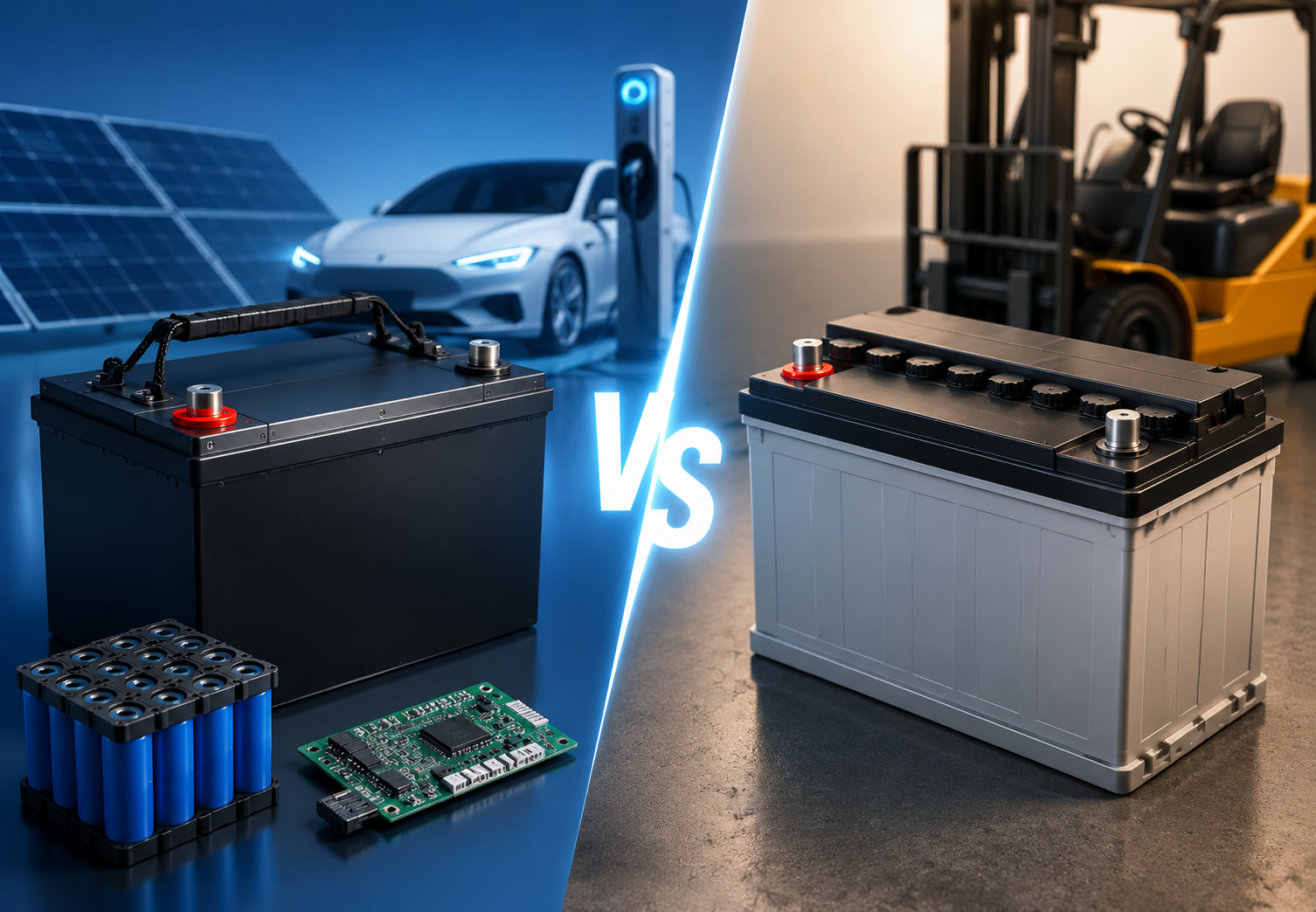
What Is a Lithium Battery and a Lead-Acid Battery?
Lithium Battery (Li-ion / LiFePO4)
A lithium battery (Lithium-ion Battery) is a modern rechargeable energy system using lithium ions to store and release energy efficiently.
Common types include:
· Li-ion (NMC, 18650, 21700)
· LiFePO4 (Lithium Iron Phosphate)
Widely used in EVs, e-bikes, AGVs, and energy storage systems.
Lead-Acid Battery
A lead-acid battery (Lead-acid Battery) is a traditional energy storage technology using lead plates and sulfuric acid.
Common in forklifts, UPS backup systems, and low-cost applications.
Lithium Battery vs Lead-Acid Battery Comparison Table
Feature | Lithium Battery | Lead-Acid Battery |
Energy Density | ⭐ High | ❌ Low |
Weight | ⚡ Lightweight | �� Heavy |
Cycle Life | 1000–5000 cycles | 300–500 cycles |
Charging Speed | Fast charging | Slow charging |
Maintenance | Low | High |
Cost (Initial) | Higher | Lower |
Total Cost (Long-term) | Lower | Higher |
Environmental Impact | Cleaner | Heavier pollution |
Key Advantages of Lithium Batteries
1. Higher Energy Density
Lithium batteries store more energy in a smaller size, making them ideal for compact and high-performance applications.
2. Lightweight Design
Up to 70% lighter than lead-acid batteries, improving efficiency in electric mobility systems.
3. Longer Cycle Life
Lithium batteries can last 3–10 times longer, reducing replacement frequency.
4. Faster Charging
Supports high-rate charging, ideal for industrial operations and fleet systems.
5. Smart Battery Management System (BMS)
Modern lithium systems include advanced BMS for:
· Overcharge protection
· Temperature control
· Communication (CAN / RS485 / UART)
Advantages of Lead-Acid Batteries
Despite being older technology, lead-acid batteries still have advantages:
1. Lower Initial Cost
Ideal for budget-sensitive projects.
2. Mature Technology
Widely available and easy to replace globally.
3. Simple Maintenance Ecosystem
Well-known structure and recycling system.
Which Battery Is Better for Different Applications?
Electric Vehicles / eBikes / Scooters
✔ Lithium battery wins due to weight and range advantage
AGV / AMR / Robotics
✔ Lithium battery preferred for automation efficiency
Marine / Boats / RV
✔ Lithium battery offers better endurance and space saving
Forklifts / Industrial Backup (Legacy Systems)
✔ Lead-acid still used in cost-driven operations
Energy Storage Systems (ESS)
✔ Lithium battery dominates modern installations
Why Industries Are Switching to Lithium Batteries
The global shift is driven by:
· Rising energy efficiency demands
· Automation and robotics growth
· Renewable energy storage expansion
· Lower long-term operating cost
· ESG and sustainability requirements
This is why lithium adoption is accelerating across logistics, marine, and industrial sectors.
OEM & Custom Lithium Battery Solutions
Modern lithium systems are not “one-size-fits-all”.
Industrial buyers now demand:
· Custom voltage (24V–72V+)
· Smart BMS integration
· CAN / RS485 communication
· IP67 waterproof design
· Certified safety (UL, CE, UN38.3)
Manufacturers like industrial lithium battery OEM/ODM suppliers provide tailored solutions for:
· AGV batteries
· eBike battery packs
· Marine battery systems
· Energy storage packs
FAQ (SEO BOOST SECTION)
Q1: Is lithium battery better than lead-acid battery?
Yes, in most modern applications lithium batteries outperform lead-acid in lifespan, efficiency, and weight.
Q2: Why are lead-acid batteries still used?
Because they have lower upfront cost and are compatible with legacy systems.
Q3: How long does a lithium battery last?
Typically 5–10 years depending on usage and BMS quality.
Q4: Is lithium battery safer than lead-acid?
Yes, when equipped with a proper BMS and certified design, lithium batteries are very safe.
Conclusion
The choice between lithium and lead-acid batteries is no longer about “old vs new”.
It is about:
Efficiency vs cost
Long-term value vs upfront price
Smart energy systems vs traditional storage
In 2026 and beyond, lithium batteries are becoming the new industry standard for high-performance applications.
Related articles
-
2026-06-15
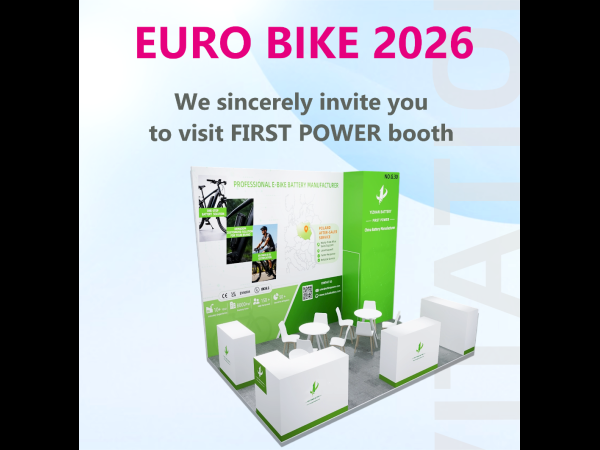
FIRST POWER Invites You to EUROBIKE 2026...


 E-mail


 +86 13510702894