



EU Battery Regulations 2026 Guide: What Lithium Battery Manufacturers Need to Know for European Markets
With the rapid growth of electric mobility, energy storage systems, industrial equipment, and smart devices, lithium batteries have become a key component in global industries. At the same time, the European Union is introducing stricter battery regulations to improve sustainability, safety, and supply chain transparency.
For lithium battery manufacturers and exporters, understanding European battery regulations is essential to ensure products can enter the EU market smoothly.
The EU Battery Regulation (EU) 2023/1542 introduces new requirements covering battery safety, carbon footprint, recycling, material sourcing, labeling, and digital traceability.
For companies supplying lithium battery packs for e-bikes, industrial equipment, robots, forklifts, and energy storage systems, compliance is becoming a critical factor in global competition.
1. What Is EU Battery Regulation (EU) 2023/1542?
The EU Battery Regulation (EU) 2023/1542 is the European Union’s comprehensive framework for battery management throughout the entire lifecycle.
Unlike previous battery directives, the new regulation focuses on:
Battery sustainability
Carbon footprint reduction
Responsible raw material sourcing
Recycling efficiency
Digital traceability
Product safety
The regulation applies to batteries placed on the EU market, including:
Portable batteries
Industrial batteries
Electric vehicle batteries
Light means of transport (LMT) batteries
2. Key EU Battery Compliance Requirements for Lithium Battery Manufacturers
2.1 Battery Passport Requirement
One of the most important requirements is the introduction of the Battery Passport.
A Battery Passport is a digital record containing information about the battery’s:
Manufacturer
Battery model
Production date
Capacity
Materials
Carbon footprint
Performance data
Recycling information
It improves transparency across the entire battery supply chain.
For manufacturers exporting lithium batteries to Europe, establishing product traceability systems will become increasingly important.
2.2 Carbon Footprint Declaration
The EU requires battery manufacturers to monitor and report carbon emissions throughout the battery lifecycle.
Carbon footprint evaluation may include:
Raw material extraction
Cell production
Battery pack assembly
Transportation
End-of-life recycling
Manufacturers with efficient production processes and renewable energy usage will have advantages in future European markets.
2.3 Responsible Raw Material Management
The EU places increasing attention on the sourcing of critical materials, including:
Lithium
Nickel
Cobalt
Graphite
Battery suppliers need to improve supply chain transparency and ensure responsible sourcing practices.
2.4 Battery Recycling and Recovery Requirements
The regulation promotes a circular battery economy by requiring:
Higher recycling efficiency
Recovery of valuable materials
Proper battery disposal management
Manufacturers need to consider the complete lifecycle of battery products.
3. Important Certifications for Lithium Batteries Entering Europe
Although the EU Battery Regulation is a comprehensive framework, lithium battery products may also require other certifications depending on applications.
Common certifications include:
UN38.3
Required for lithium battery transportation safety testing.
Covers:
Altitude simulation
Thermal testing
Vibration testing
Shock testing
External short circuit
Impact testing
IEC 62133-2
International safety standard for rechargeable lithium batteries.
Evaluates:
Battery safety performance
Electrical protection
Abuse testing
CE Certification
CE marking indicates that products comply with applicable EU safety, health, and environmental requirements.
RoHS Compliance
Controls hazardous substances in electrical and electronic products.
EN 50604-1
Important for lithium batteries used in light electric vehicles, including:
E-bike batteries
LMT battery systems
4. How EU Regulations Affect Different Lithium Battery Applications
E-Bike Batteries
European e-bike battery suppliers need to consider:
EN 50604-1 requirements
Battery traceability
Safety testing
Transportation compliance
Industrial Batteries
Applications include:
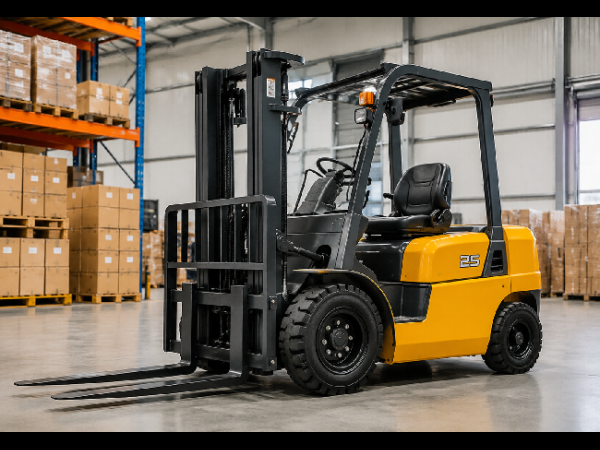
Forklifts
AGV
AMR robots
Industrial equipment
Key requirements:
Battery safety
Long cycle life
Smart BMS
Data management capability
Robot Batteries
For cleaning robots, service robots, and AI robots:
Important factors include:
Compact design
Customized battery structure
Smart communication
Safety certification
5. How Battery Manufacturers Can Prepare for EU Compliance
To meet future European requirements, lithium battery manufacturers should focus on:
1. Improving Product Traceability
Establish:
Cell batch tracking
Production records
Quality inspection data
Battery lifecycle information
2. Strengthening Quality Management
Recommended systems include:
ISO 9001
ISO 14001
IATF 16949 (automotive applications)
3. Developing Smart Battery Management Systems
Advanced BMS solutions support:
SOC monitoring
SOH monitoring
CAN communication
RS485 communication
Remote diagnostics
4. Choosing a Reliable Battery Supplier
European customers increasingly evaluate suppliers based on:
Manufacturing capability
Certification experience
Quality control system
Customization ability
Regulatory knowledge
6. Why Choose Yizhan Electronics for European Lithium Battery Solutions?
Yizhan Electronics specializes in customized lithium battery pack manufacturing for global markets.
Our solutions support applications including:
E-bike batteries
AGV/AMR batteries
Forklift batteries
Robot batteries
Industrial equipment batteries
Energy storage systems
Capabilities include:
OEM/ODM customization
Li-ion and LiFePO4 battery solutions
Smart BMS integration
UN38.3, CE, IEC 62133-2 support
Battery testing and quality control
We help customers develop reliable lithium battery solutions that meet international market requirements.
Conclusion
The EU Battery Regulation (EU) 2023/1542 is reshaping the global lithium battery industry. Battery manufacturers that focus on safety, sustainability, traceability, and compliance will be better prepared for future European market opportunities.
For companies exporting lithium battery products to Europe, compliance is no longer optional. It has become a key factor in building customer trust and long-term competitiveness.





 E-mail


 +86 13510702894