



The Ultimate Guide to Choosing the Perfect Motorcycle Battery
A motorcycle battery does far more than start the engine. It powers the ECU, ignition system, ABS, dashboard, lighting, and other electronic accessories. Choosing the right battery can improve starting performance, reduce maintenance costs, and extend the life of your motorcycle’s electrical system.
With the rapid development of lithium battery technology, especially LiFePO4 (Lithium Iron Phosphate) batteries, many modern motorcycles are moving beyond traditional lead-acid batteries. However, AGM, GEL, and flooded lead-acid batteries are still widely used, and many riders are unsure which option is best for their motorcycle.
This guide explains how to choose the ideal motorcycle battery based on your motorcycle type, riding environment, and usage requirements.
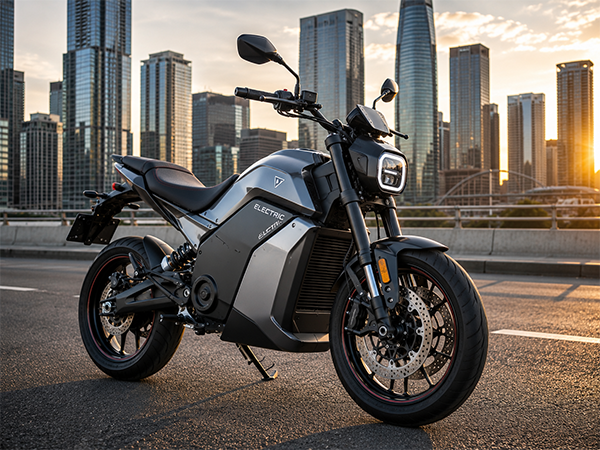
Why Choosing the Right Motorcycle Battery Matters
A battery with insufficient capacity or incorrect specifications can lead to:
Hard starting, especially in cold weather
Unstable voltage
ECU warning lights
Starter motor damage
Shortened battery life
Electrical issues while riding
For daily commuters and long-distance riders, a reliable battery means fewer breakdowns and a more dependable riding experience.
Common Types of Motorcycle Batteries
1. Flooded Lead-Acid Battery
Advantages
Low purchase cost
Widely available
Easy to replace
Disadvantages
Requires periodic electrolyte maintenance
Sensitive to vibration
Prone to sulfation
Higher self-discharge rate
Shorter service life
Best for budget-conscious riders and older motorcycles.
2. AGM Battery (Absorbent Glass Mat)
AGM is currently one of the most popular motorcycle battery technologies.
Advantages
Maintenance-free
Sealed design
Leak-resistant
Good vibration resistance
Better cold-start performance than flooded lead-acid
Compatible with most street bikes and cruisers
Disadvantages
Higher cost than conventional lead-acid
Heavier than lithium batteries
For most everyday riders, AGM offers a good balance between cost and performance.
3. GEL Battery
GEL batteries are a type of sealed lead-acid battery.
Advantages
Better deep-cycle capability
Good high-temperature performance
Stable discharge characteristics
Disadvantages
Lower starting current than AGM
Higher price
Suitable for some touring motorcycles and special applications.
4. LiFePO4 (Lithium Iron Phosphate) Battery
LiFePO4 is one of the fastest-growing motorcycle battery technologies.
Advantages
Much Lighter
Compared with AGM batteries, LiFePO4 can reduce battery weight by approximately 60-70%.
Ideal for:
Sport bikes
Off-road motorcycles
Adventure motorcycles
High-performance street bikes
Strong Starting Power
Although the amp-hour rating may be smaller, LiFePO4 batteries can deliver very high cranking current.
Longer Cycle Life
LiFePO4 batteries typically provide several times the cycle life of AGM batteries, which can reduce long-term ownership costs.
Low Self-Discharge
They retain charge well even when the motorcycle is stored for months.
No Acid Leakage
Safer and more environmentally friendly.
Important Considerations for LiFePO4
LiFePO4 is not the best choice for every motorcycle.
Before purchasing, confirm:
Charging system compatibility
Charger compatibility
Presence of a quality BMS (Battery Management System)
In cold weather, some LiFePO4 batteries may require a brief “wake-up” period, such as turning on the headlight for a few seconds before starting.
Choosing a Battery by Motorcycle Type
Daily Commuter Motorcycles
Recommended: AGM or LiFePO4
Focus on:
Reliable starting
Maintenance-free operation
Good value
Large Cruiser Motorcycles
Recommended: AGM or GEL
Reasons:
Stable power delivery
Better support for additional electronics
Sport Bikes
Recommended: LiFePO4
Benefits:
Lower weight
High cranking performance
Improved power-to-weight ratio
Off-Road Motorcycles
Recommended: LiFePO4
Reasons:
Excellent vibration resistance
Lightweight
Suitable for rough terrain
Touring Motorcycles
Recommended: Premium AGM or LiFePO4
Prioritize:
Capacity
Durability
Reliability
Key Specifications to Check
1. Voltage
Most motorcycles use:
12V
Do not change the battery voltage unless specified by the manufacturer.
2. Capacity (Ah)
Higher capacity means longer power availability, but it does not always mean stronger starting performance.
Choose a battery that meets or slightly exceeds the manufacturer’s specification.
3. Cold Cranking Amps (CCA)
CCA measures starting ability in low temperatures.
If you frequently ride in:
Winter
Cold regions
High-altitude areas
Choose a battery with adequate CCA.
4. Physical Dimensions
The battery must fit the available space.
Check:
Length
Width
Height
Mounting configuration
5. Terminal Layout
Verify:
Positive/negative orientation
Terminal type
Bolt size
Incorrect terminal layout can make installation impossible.
Understanding Motorcycle Battery Codes
Common examples:
YTX7L-BS
YTX9-BS
YTZ10S
YTZ14S
These codes define:
Battery size
Terminal position
Capacity
Mounting style
The safest option is usually to select the same model as the original battery or an officially compatible replacement.
Choosing for Different Riding Environments
City Riding
Recommended: AGM
Cost-effective
Easy maintenance
Long-Term Storage
Recommended: LiFePO4
Very low self-discharge
Cold Climates
Recommended: High-CCA AGM
If using LiFePO4, ensure it is rated for low-temperature starting.
Hot Climates
Recommended: AGM, GEL, or LiFePO4
All can perform well when properly specified.
How to Extend Motorcycle Battery Life
Best practices:
Charge regularly
Avoid deep discharge
Use a maintenance charger during storage
Keep terminals clean
Check the charging system
Use a charger compatible with the battery chemistry
Different battery chemistries require different charging profiles.
AGM vs LiFePO4: Quick Comparison
| Feature | AGM | LiFePO4 |
|---|---|---|
| Weight | Heavier | Very light |
| Starting performance | Good | Excellent |
| Cycle life | Moderate | Long |
| Self-discharge | Low | Very low |
| Maintenance | Maintenance-free | Maintenance-free |
| Initial cost | Lower | Higher |
| Storage performance | Good | Excellent |
| Performance riding | Good | Excellent |
How OEM Buyers Should Choose a Motorcycle Lithium Battery Supplier
For motorcycle brands, distributors, and OEM/ODM customers, evaluate suppliers based on:
Custom battery pack capability
In-house R&D
A-grade cells
Smart BMS
UN38.3 and IEC 62133 certifications
Waterproof and vibration-resistant design
CAN/UART/RS485 communication support
Stable mass-production capacity
Final Thoughts
Choosing the perfect motorcycle battery is not about buying the most expensive option. It is about selecting the battery that best matches your motorcycle, riding conditions, and performance expectations.
AGM batteries remain an excellent choice for most motorcycles thanks to their reliability, compatibility, and reasonable cost.
LiFePO4 batteries are a strong upgrade for riders who want lower weight, longer service life, lower self-discharge, and stronger starting performance.
The most important factors are correct specifications, quality manufacturing, and proper maintenance. A well-matched battery will provide more reliable starts, better electrical stability, and a longer service life for your motorcycle.

 E-mail


 +86 13510702894