



What Is LiFePO4 and Why Is It a Better Choice?
As industries move toward cleaner, safer, and more efficient energy solutions, lithium battery technology has become an essential power source for electric vehicles, energy storage systems, marine equipment, industrial machines, and robotics.
Among different lithium battery chemistries, LiFePO4 (Lithium Iron Phosphate) has gained significant attention because of its excellent safety, long cycle life, stable performance, and reliable operation in demanding environments.
But what exactly is LiFePO4? Why are more manufacturers and businesses choosing LiFePO4 battery packs instead of traditional lead-acid batteries or other lithium-ion technologies?
This guide explains the fundamentals of LiFePO4 batteries, their advantages, applications, and why they are becoming a preferred choice for modern energy systems.
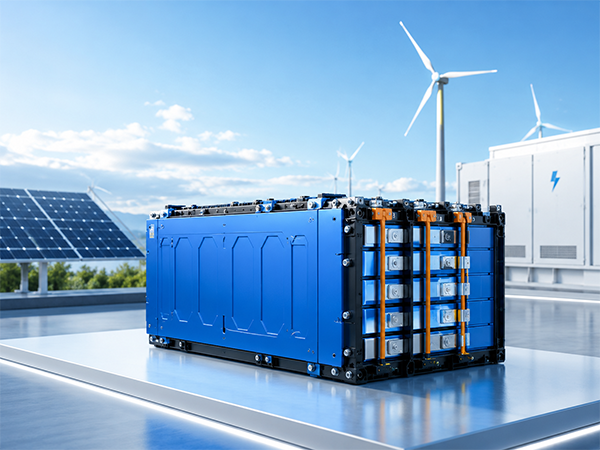
What Is LiFePO4 Battery?
LiFePO4 stands for Lithium Iron Phosphate, a type of lithium-ion battery that uses lithium iron phosphate as the cathode material.
A LiFePO4 battery consists of four main components:
Cathode: Lithium iron phosphate (LiFePO4)
Anode: Graphite carbon
Electrolyte: Lithium salt solution
Separator: Insulating membrane separating the electrodes
During charging and discharging, lithium ions move between the cathode and anode, creating electrical energy.
Compared with traditional lithium-ion batteries using materials such as nickel manganese cobalt (NMC), LiFePO4 chemistry provides a more stable molecular structure, making it suitable for applications requiring safety, durability, and long-term reliability.
Key Advantages of LiFePO4 Batteries
1. Excellent Safety Performance
Safety is one of the biggest reasons LiFePO4 batteries are widely adopted.
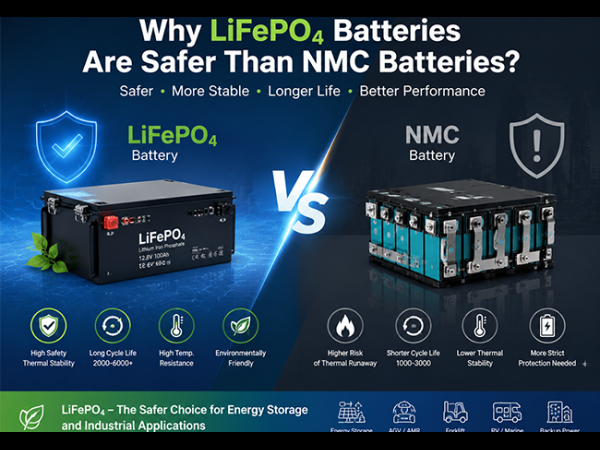
The phosphate-based cathode structure has strong chemical stability and excellent thermal resistance. Compared with some other lithium-ion chemistries, LiFePO4 batteries have a lower risk of thermal runaway under abnormal conditions.
Key safety benefits include:
Higher thermal stability
Better resistance to overheating
Lower risk of fire-related incidents
Stable performance during high-current operation
For applications such as:
Industrial equipment
AGV robots
Forklifts
Marine systems
Solar energy storage
battery safety is a critical factor, making LiFePO4 a reliable choice.
2. Longer Cycle Life and Lower Total Cost
One of the biggest advantages of LiFePO4 technology is its long service life.
Typical cycle life comparison:
| Battery Type | Cycle Life |
|---|---|
| Lead-acid Battery | 300–500 cycles |
| NMC Lithium Battery | Around 1,000–2,000 cycles |
| LiFePO4 Battery | 3,000–8,000+ cycles |
A longer cycle life means fewer replacements and lower maintenance costs over the battery’s lifetime.
Although the initial purchase cost of a LiFePO4 battery may be higher than a lead-acid battery, the total cost of ownership is often lower because:
The battery lasts longer
Replacement frequency is reduced
Maintenance requirements are minimized
Energy efficiency is improved
3. High Energy Efficiency
LiFePO4 batteries provide excellent charging and discharging efficiency.
Compared with lead-acid batteries, LiFePO4 batteries offer:
Higher usable capacity
Lower energy loss
Faster charging capability
Better voltage stability
For example, a lead-acid battery often should not be discharged below approximately 50% capacity to protect battery life.
A LiFePO4 battery can typically utilize a much higher percentage of its rated capacity while maintaining good performance.
This makes LiFePO4 especially suitable for:
Solar storage systems
Electric vehicles
RV power systems
Backup power solutions
4. Stable Output Voltage
LiFePO4 batteries provide a stable discharge voltage throughout their operating cycle.
This means connected equipment can receive consistent power output.
Benefits include:
Improved equipment performance
Reduced power fluctuations
Longer operating time
Better user experience
For precision applications such as robotics and industrial automation, stable voltage output is an important advantage.
5. Wide Operating Temperature Range
LiFePO4 batteries can operate effectively in various environmental conditions.
Typical operating temperature ranges:
Discharge: approximately -20°C to 60°C
Charging: approximately 0°C to 45°C
With customized solutions such as heating systems, cooling designs, and advanced BMS control, LiFePO4 battery packs can be adapted for extreme environments.
Applications include:
Outdoor equipment
Warehouse robots
Marine equipment
Cold climate energy storage
6. Environmentally Friendly Chemistry
LiFePO4 batteries do not contain cobalt or nickel, which are commonly used in some other lithium battery chemistries.
Advantages include:
Reduced dependence on scarce materials
More stable raw material supply
Easier recycling process
Lower environmental impact
This makes LiFePO4 an attractive solution for companies focusing on sustainable energy development.
LiFePO4 vs Other Battery Types
LiFePO4 vs Lead-Acid Battery
| Feature | LiFePO4 | Lead-Acid |
|---|---|---|
| Cycle Life | 3,000–8,000+ cycles | 300–500 cycles |
| Weight | Lightweight | Heavy |
| Charging Speed | Fast | Slow |
| Maintenance | Low maintenance | Regular maintenance |
| Efficiency | High | Lower |
| Lifespan | Long | Short |
LiFePO4 batteries provide a significant improvement for applications where reliability and operating cost matter.
LiFePO4 vs NMC Lithium Battery
| Feature | LiFePO4 | NMC |
|---|---|---|
| Safety | Excellent | Good |
| Cycle Life | Longer | Moderate |
| Energy Density | Moderate | Higher |
| Thermal Stability | Higher | Lower |
| Cost Stability | More stable | Affected by nickel/cobalt prices |
NMC batteries are often selected when maximum energy density is the priority, while LiFePO4 is preferred when safety, durability, and lifespan are more important.
Common Applications of LiFePO4 Batteries
Electric Vehicles and Mobility
LiFePO4 batteries are widely used in:
Electric bicycles
Electric scooters
Golf carts
Low-speed vehicles
Electric motorcycles
Their long lifespan and safety make them suitable for daily transportation applications.
Industrial Equipment
Many industrial machines require reliable power solutions.
LiFePO4 battery packs are used in:
AGV robots
AMR robots
Forklifts
Warehouse vehicles
Cleaning machines
Automated equipment
Benefits include longer operation time and reduced downtime.
Solar Energy Storage
Energy storage systems require batteries that can operate for many years.
LiFePO4 batteries are commonly used in:
Residential energy storage
Commercial ESS
Off-grid solar systems
Backup power systems
Their long cycle life makes them ideal for storing renewable energy.
Marine Applications
Marine environments require batteries with high safety and durability.
LiFePO4 batteries are used for:
Electric boats
Fishing boats
Sailboats
Marine auxiliary power systems
Advantages include corrosion-resistant designs, stable performance, and long service life.
The Role of BMS in LiFePO4 Battery Packs
A Battery Management System (BMS) is an important part of a LiFePO4 battery pack.
A smart BMS provides:
Overcharge protection
Over-discharge protection
Over-current protection
Temperature monitoring
Cell balancing
Communication functions such as CAN, RS485, and UART
For customized battery applications, the BMS can be designed according to equipment requirements.
How to Choose the Right LiFePO4 Battery?
Before selecting a LiFePO4 battery pack, consider:
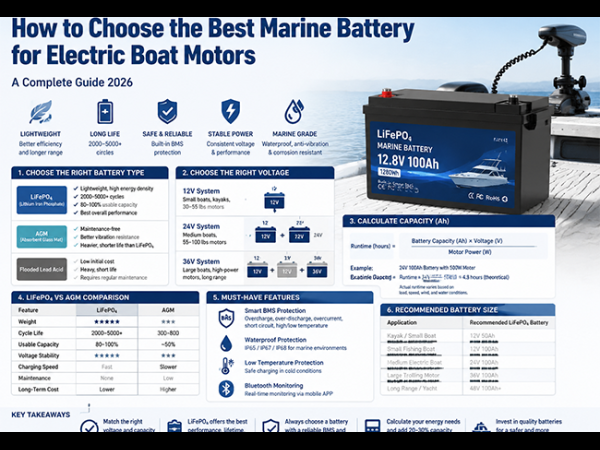
1. Voltage Requirements
Common voltage options include:
12V LiFePO4 battery
24V LiFePO4 battery
36V LiFePO4 battery
48V LiFePO4 battery
51.2V energy storage battery
72V industrial battery
2. Capacity Requirements
Battery capacity determines how long the equipment can operate.
Higher Ah capacity provides longer runtime but also increases battery size and weight.
3. Application Environment
Consider:
Operating temperature
Waterproof requirements
Vibration conditions
Charging method
Communication requirements
For industrial applications, customized battery packs with IP67/IP68 protection and smart BMS solutions are often required.
Why More Companies Are Choosing LiFePO4
The transition from traditional batteries to LiFePO4 is driven by several factors:
Longer service life
Better safety performance
Lower lifetime cost
Reliable operation
Sustainable material selection
For businesses investing in electric mobility, industrial automation, and energy storage, LiFePO4 provides a balanced solution between performance, reliability, and cost efficiency.
FAQ About LiFePO4 Batteries
1. Is LiFePO4 better than lithium-ion?
LiFePO4 is a type of lithium-ion battery. Compared with some other lithium-ion chemistries, LiFePO4 offers better safety and longer cycle life, while some alternatives may provide higher energy density.
2. How long does a LiFePO4 battery last?
A quality LiFePO4 battery can typically last several thousand charge cycles, often providing many years of service depending on usage conditions.
3. Can LiFePO4 batteries work in cold temperatures?
Yes. LiFePO4 batteries can operate in cold environments, and customized designs with heating systems can improve charging performance at low temperatures.
4. Are LiFePO4 batteries safe?
Yes. LiFePO4 batteries are known for excellent thermal stability and are widely used in applications where safety is important.
5. Why choose LiFePO4 for custom battery packs?
LiFePO4 is suitable for customized battery solutions because it offers long lifespan, stable performance, flexible design options, and compatibility with many industrial applications.
Conclusion
LiFePO4 technology represents a reliable evolution in lithium battery solutions. With strong safety characteristics, long cycle life, high efficiency, and stable performance, it has become a preferred battery choice for electric mobility, industrial automation, marine systems, and renewable energy storage.
For companies looking for a dependable battery solution, LiFePO4 provides a practical balance between performance, safety, and long-term value.

 E-mail


 +86 13510702894