



How to Choose a Drone Battery (Complete Guide for UAV Users)
Drones have become essential tools in many industries, including aerial photography, agriculture, mapping, inspection, logistics, and security.
Whether you are operating a recreational drone or a professional UAV system, one component plays a crucial role in overall performance: the drone battery.
The battery determines how long a drone can fly, how much payload it can carry, and how safely it can complete its mission. Choosing the right drone battery can significantly improve flight time, power stability, and operational reliability.
This guide explains how to choose the right drone battery by understanding battery types, voltage, capacity, discharge rate, and safety systems.
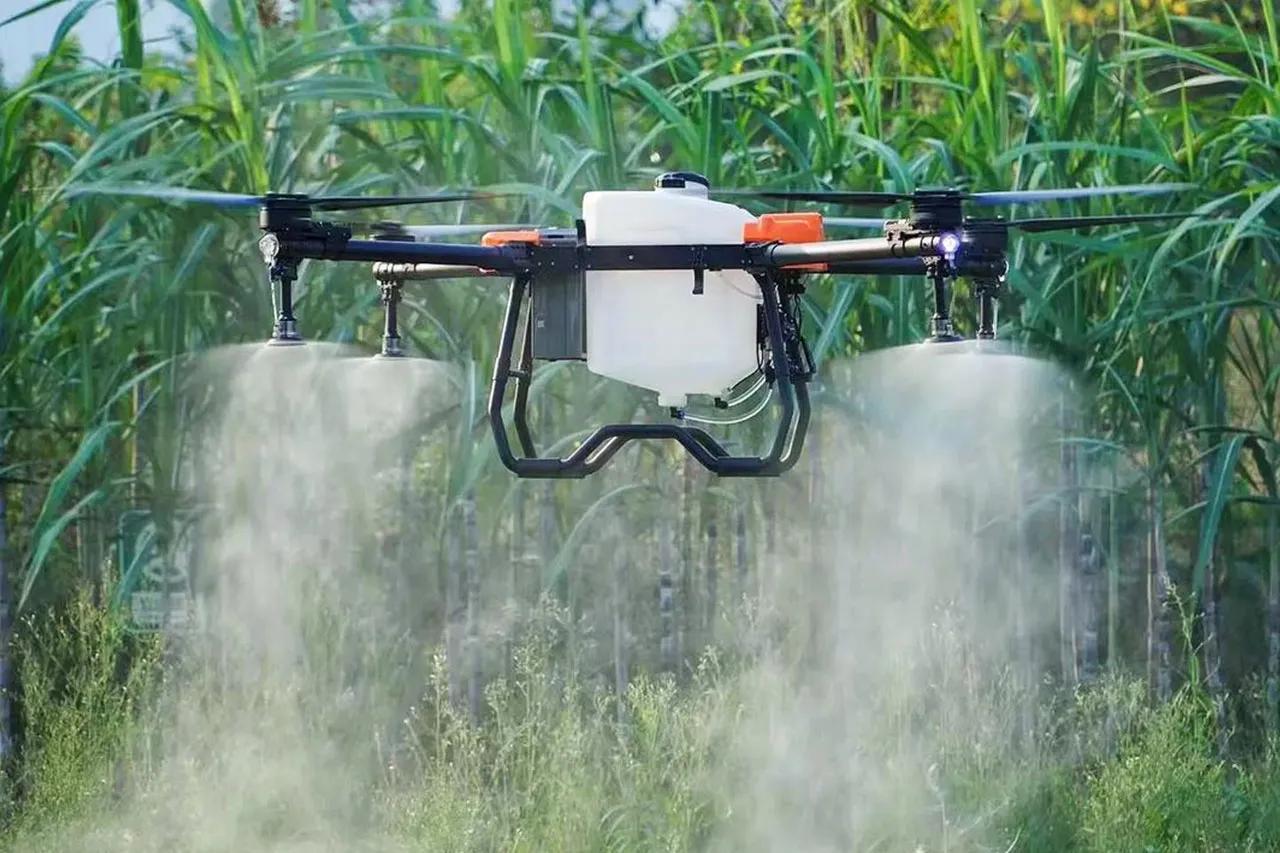
Why the Right Drone Battery Matters
The drone battery is the main power source of a UAV. Selecting the wrong battery may result in shorter flight times, unstable power output, or safety risks.
A high-quality drone battery provides several benefits:
• Longer flight time
• Stronger power output
• Improved safety
• Lower maintenance and replacement costs
Types of Drone Batteries
Most modern drones use lithium-based batteries due to their high energy density and lightweight design.
Lithium Polymer (LiPo)
LiPo batteries provide high discharge rates and are widely used in racing drones, camera drones, and heavy-lift UAVs.
Lithium-Ion (Li-ion)
Li-ion batteries offer higher energy density and longer endurance, making them suitable for mapping drones and long-distance UAVs.
Lithium Iron Phosphate (LiFePO4)
LiFePO4 batteries provide excellent safety, thermal stability, and long cycle life. They are often used in industrial UAV applications.
Key Factors When Choosing a Drone Battery
Battery Voltage
Voltage determines how much power is delivered to drone motors. Common configurations include 3S (11.1V), 4S (14.8V), 6S (22.2V), and 12S (44.4V).
Battery Capacity
Measured in mAh or Ah, capacity determines how long the drone can fly.
Discharge Rate (C Rating)
The C rating indicates how quickly a battery can release energy. Heavy-lift drones require higher discharge rates.
Battery Weight
Battery weight directly affects drone efficiency and flight time.
Battery Safety and BMS
Modern drone batteries include a Battery Management System (BMS) which protects the battery from overcharge, over-discharge, overheating, and short circuits.
The BMS also performs cell balancing and monitors battery temperature and voltage, ensuring safe and stable drone operation.
How to Extend Drone Battery Life
Avoid deep discharge below 20%.
Use manufacturer-approved chargers.
Store batteries at 40–60% charge in cool, dry environments.
Allow batteries to cool before recharging after flight.
Following these practices can extend battery life to 500–1000 cycles depending on usage.
Conclusion
Choosing the correct drone battery is essential for achieving optimal UAV performance. By evaluating battery chemistry, voltage, capacity, discharge rate, and safety features, users can significantly improve flight time, safety, and operational efficiency.
Related articles

-
2026-03-04
LiFePO4 Battery Upgrade Guide



 E-mail


 +86 13510702894